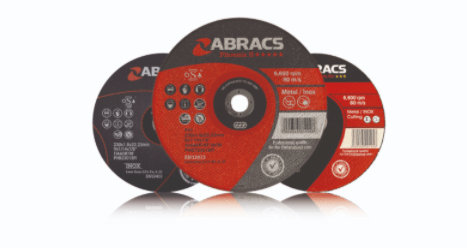
Angle Grinder Disc Size Guide: mm to Inches Conversion Chart
The most common angle grinder disc sizes in Australia are 100mm (4"), 115mm (4½"), 125mm (5"), 150mm (6"), 180mm (7"), and 230mm (9"). Choosing the correct disc size depends on your grinder, the material you're cutting, and the type of work you're doing.
Whether you're working in metal fabrication, construction or tackling a DIY project, knowing your angle grinder disc sizes is essential. Manufacturers often list grinder sizes in either millimetres or inches, which can make buying replacement discs confusing, especially if you're switching between Australian and international products.
At Metfab, angle grinders are used daily to prepare, cut and finish steel for custom fabrication projects. This guide explains the most common angle grinder sizes, provides a simple mm to inch conversion chart, and helps you choose the right grinding disc for the job.
Angle Grinder Disc Size Conversion Chart
Here's a quick reference for the most common angle grinder sizes.
| Inches | Millimetres | Common Use |
|---|---|---|
| 3" | 76 mm | Precision work and tight spaces |
| 4" | 100 mm | DIY and light-duty cutting |
| 4½" | 115 mm | General home and workshop use |
| 5" | 125 mm | Light fabrication and maintenance |
| 6" | 150 mm | Heavy-duty cutting and grinding |
| 7" | 180 mm | Structural steel and construction |
| 9" | 230 mm | Large steel fabrication and industrial work |
| 14" | 356 mm | Cut-off saws and industrial applications |
What Size Is a 6 Inch Grinder in mm?
A 6-inch angle grinder uses a 150 mm disc.
This size is commonly used for heavier fabrication work where a larger cutting depth is required than a standard 125 mm grinder can provide. It's popular among metal fabricators, welders and construction professionals.
What Size Is a 9 Inch Grinder in mm?
A 9-inch angle grinder uses a 230 mm disc.
These grinders are designed for demanding applications such as cutting thick steel, structural sections and concrete. Because of their size and power, they require greater operator control and are generally intended for experienced users.
Many Australian workplaces have introduced stricter safety requirements or restrictions for 230 mm angle grinders due to the increased kickback forces and potential injury risks associated with larger discs.
What Size Is a 14 Inch Grinder in mm?
A 14-inch grinder uses a 356 mm cutting disc.
Rather than handheld angle grinders, these larger discs are more commonly used on cut-off saws designed for industrial metal cutting and fabrication.
Which Angle Grinder Size Should You Choose?
The right grinder size depends on the type of work you're doing.
100 mm (4")
Ideal for:
- Small repairs
- Light metal cutting
- Tight spaces
- DIY projects
115 mm (4½")
Ideal for:
- General household tasks
- Light fabrication
- Rust removal
- Surface preparation
125 mm (5")
Ideal for:
- Workshop use
- Cutting mild steel
- Grinding welds
- General fabrication
150 mm (6")
Ideal for:
- Heavy-duty fabrication
- Larger steel sections
- Commercial projects
180 mm to 230 mm (7" to 9")
Ideal for:
- Structural steel
- Thick plate
- Industrial construction
- Large-scale fabrication
Different Types of Angle Grinder Discs
Choosing the correct disc is just as important as selecting the right grinder size.
Cutting Discs
Cutting discs are designed for slicing through steel, aluminium, stainless steel and other metals with minimal material loss.
Best for:
- Steel tube
- Pipe
- Sheet metal
- Rebar
- Bolts
Grinding Discs
Grinding discs are thicker than cutting discs and are used to remove material quickly.
Common applications include:
- Smoothing welds
- Removing excess metal
- Preparing surfaces before painting
- Beveling edges
Flap Discs
Flap discs combine grinding and finishing into one operation.
They're ideal for:
- Blending welds
- Surface finishing
- Paint preparation
- Removing light rust
Wire Brush Wheels
Wire wheels are commonly used to clean metal surfaces without removing significant amounts of material.
Ideal for removing:
- Rust
- Paint
- Scale
- Surface contamination
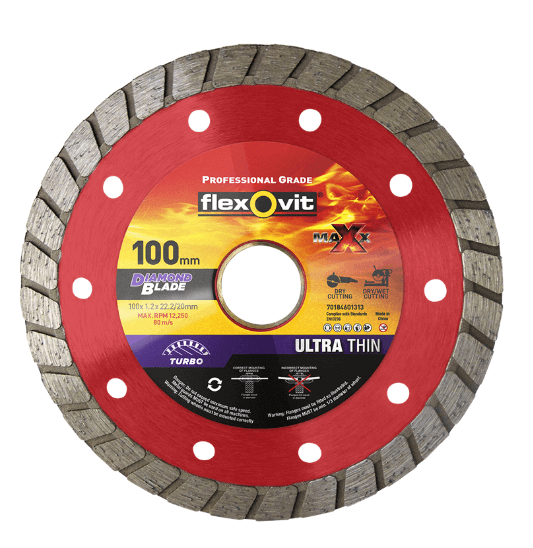
Diamond Cutting Discs
Diamond discs are designed for hard materials rather than metal.
They're commonly used for cutting:
- Concrete
- Masonry
- Stone
- Tiles
- Granite
Aluminium Oxide Grinding Wheels
These general-purpose wheels are suitable for many grinding applications and are commonly used on mild steel and other ferrous metals.
Silicon Carbide Grinding Discs
Silicon carbide discs are often used for non-ferrous metals, stone and harder materials where faster material removal is required.
How to Choose the Right Grinding Disc
Before purchasing a replacement disc, consider the following:
- Match the disc diameter to your grinder.
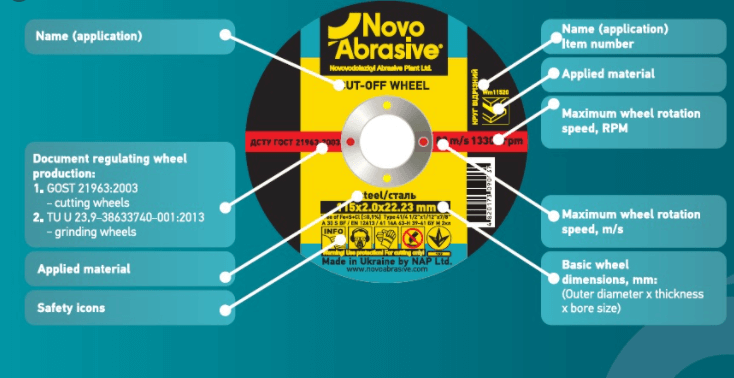
- Never exceed the maximum RPM rating.
- Choose a disc designed for your material.
- Select the correct disc thickness for cutting or grinding.
- Replace damaged or worn discs immediately.
Using the wrong disc can reduce cutting performance and increase the risk of injury.
Angle Grinder Safety Tips
Angle grinders are among the most commonly used tools in metal fabrication, but they should always be operated safely.
Always remember to:
- Wear eye and hearing protection.
- Use gloves and appropriate PPE.
- Inspect discs before use.
- Ensure the grinder guard is fitted correctly.
- Never exceed the disc's rated speed.
- Allow the grinder to reach full speed before making contact with the material.
FREQUENTLY ASKED QUESTIONS
Why Disc Size Matters in Metal Fabrication
Professional fabrication relies on using the right tool for the job. While larger discs offer greater cutting depth, smaller grinders provide better control and precision for detailed work.
At Metfab, our team uses professional fabrication equipment alongside quality cutting and grinding tools to manufacture custom steel products, including Corten steel planters, fire pits, architectural features and bespoke metal fabrication for residential and commercial projects.
Conclusion
Understanding angle grinder disc sizes makes choosing replacement discs much easier and helps ensure safer, more efficient cutting and grinding.
Whether you're replacing a worn cutting wheel or selecting the right grinder for your next project, using the correct disc size and type will improve performance and produce better results.
If you're looking for custom metal fabrication in Melbourne, the team at Metfab combines expert craftsmanship with professional fabrication equipment to deliver high-quality steel products built to last.

Pingback: Different Kinds Of Angle Discs – Glasgow Coach Driver
Pingback: Different Kinds Of Angle Discs